

Englisches Wort des Tages
can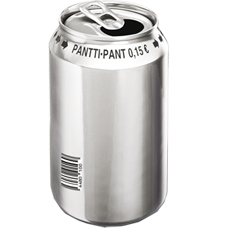
Definitionen
| Englisch > Deutsch | |
| can | |
| 1. Hilfsverb: | |
| 2. [1] zeigt die Fähigkeit an, etwas tun zu können; können | |
| 3. [2] zeigt die Erlaubnis oder Bestimmung an, etwas zu tun; können, dürfen | |
| [1] He can speak German, English and French. | |
| Er kann Deutsch, Englisch und Französisch sprechen. | |
| [2] You can go by bus but be careful! | |
| Du kannst/darfst mit dem Bus fahren, aber sei vorsichtig! | |
| 4. [1] umgangssprachlich: eine Sache beenden; abbrechen | |
| 5. [2] umgangssprachlich: ein Arbeitsverhältnis für beendet erklären; kündigen | |
| 6. [3] (Früchte, Obst) kochen, damit es sich länger hält; einmachen | |
| [1] He canned the project because he thought it would be to expensive. | |
| Er brach das Projekt ab, weil er dachte, es sei zu teuer. | |
| [2] The boss canned him because he was unfriendly to him. | |
| Der Chef kündigte ihm, weil er unfreundlich zu ihm war. | |
| [3] They spent August canning fruit and vegetables. | |
| Sie verbrachten den August damit, Früchte und Obst einzumachen. | |
| 7. Substantiv: | |
| 8. [1] ein versiegeltes Behältnis; Dose | |
| 9. [2] Gießkanne | |
| Englisch > Englisch | |
| can | |
| 1. v. (auxiliary verb, defective) To know how to; to be able to. |  |
| She can speak English, French, and German. I can play football. Can you remember your fifth birthday? | |
| 2. v. (modal auxiliary verb, defective, informal) May; to be permitted or enabled to. | |
| You can go outside and play when you're finished with your homework. Can I use your pen? | |
| 3. v. (modal auxiliary verb, defective) To have the potential to; be possible. | |
| Can it be Friday already? | |
| Teenagers can really try their parents' patience. | |
| Animals can experience emotions. | |
| 4. v. (auxiliary verb, defective) Used with verbs of perception. | |
| Can you hear that?. | |
| I can feel the baby moving inside me. | |
| 5. v. (obsolete, transitive) To know. | |
| 6. subst. A more or less cylindrical vessel for liquids, usually of steel or aluminium, but sometimes of plastic, and with a carrying handle over the top. | |
| 7. subst. A container used to carry and dispense water for plants (a watering can). | |
| 8. subst. A tin-plate canister, often cylindrical, for preserved foods such as fruit, meat, or fish. | |
| 9. subst. (archaic) A chamber pot, now (US, slang) a toilet or lavatory. | |
| Shit or get off the can. | |
| Bob's in the can. You can wait a few minutes or just leave it with me. | |
| 10. subst. (US, slang) Buttocks. | |
| 11. subst. (slang) Jail or prison. | |
| Bob's in the can. He won't be back for a few years. | |
| 12. subst. (slang) Headphones. | |
| 13. subst. (archaic) A drinking cup. | |
| 14. subst. (nautical) A cube-shaped buoy or marker used to denote a port-side lateral mark | |
| 15. subst. A chimney pot. | |
| 16. v. To preserve, by heating and sealing in a can or jar. | |
| They spent August canning fruit and vegetables. | |
| 17. v. to discard, scrap or terminate (an idea, project, etc.). | |
| He canned the whole project because he thought it would fail. | |
| 18. v. To shut up. | |
| Can your gob. | |
| 19. v. (US, euphemistic) To fire or dismiss an employee. | |
| The boss canned him for speaking out. | |
Aussprache
 ©
©Beispielsätze
| Can I get you a beer or something? Soll ich Ihnen ein Bier bringen oder sonst etwas? Can you make sense of this poem? Kannst du diesem Gedicht einen Sinn entnehmen? You can't just go. Du kannst nicht einfach gehen. You can ask the child who's playing over there. Du kannst das Kind fragen, das dort drüben spielt. I may know someone who can help you. Ich kenne vielleicht jemanden, der dir helfen kann. |
Die vorherigen Wörter ansehen
| vitamin | wall | fruit | chicken |
| pliers | stretch | cold | weather |
| maggot | Chinese | notebook | dozen |
| root | toothbrush | breeze | floor |
Zufällig
| sperm whale | helicopter | tea | frost |
| hole | forty-four | dolphin | peeler |
| cross your arms | cat | truck | wipe |
| highway | song | drummer | eraser |
| Spiele und Übungen |
| Wort des Tages |
| Multiple Choice |
| Lernkarten |
| Bingo |
| Verstecktes Bild |
| Galgenmännchen |
| Wortsuchspiel |
| Memory |
| Kreuzworträtsel |
Holen Sie sich unser Kreuzworträtselbuch für Anfänger

| Das Wort des Tages abonnieren |
| E-Mail: |