| Spanish > English | |
|
| estante | |
| 1. adj. existing, being | |
| 2. adj. permanent | |
| 3. adj. (heraldry) statant | |
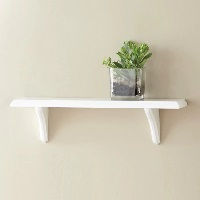
| 4. n-m. shelf | |
| están | |
| 1. (they) are | |
| estar | |
| 1. v. to be (have a temporary or permanent location in space) | |
| ¿Dónde estás? - Where are you? | |
| Estoy en casa. - I am at home. | |
| 2. v. to be (denotes a copula, in a transient fashion) | |
| El tiempo estaba frío/caliente. - The weather was cold/hot back then. | |
| ¿Estás feliz? - Are you happy right now? | |
| 3. v. to be (auxiliary verb for the progressive/continuous aspect, preceding the gerund of the verb) | |
| Ella está cantando. - She is singing. | |
| 4. v. to be in a state (in a passive voice sense) | |
| Llegaron y vieron que el hotel estaba abandonado. - They arrived and saw the hotel was abandoned. | |
| 5. v. to be, stay (denotes a copula, in a transient fashion) | |
| Estense callados y quietos. - Stay quiet and not moving. | |
| 6. v. to be to be done, to be (still) undone: | |
| Esto todavía está por hacer. - This is still to be done. | |
| Lo peor está por llegar. - The worst part is yet to come. | |
| 7. v. to be in a long-term state (in specific idioms) | |
| estar muerto/a - to be dead | |
| estar casado/a - to be married (can also be ser casado) | |
| estar chico/a - to be short (colloquially) | |
| te | |
| 1. pron. dative of tú: to you, for you | |
| Te voy a hacer tus calzones.... - I’m going to make your britches | |
| 2. pron. accusative of tú: you | |
| 3. pron. : yourself | |
| English > Spanish | |
|
| shelf | |
| 1. estante, balda |  |