

Le mot anglais du jour
dance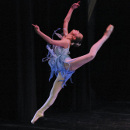
danser
Définitions
| anglais > français | |
| dance | |
| 1. n. Danse. | |
| 2. n. (Par ellipse) (musiques) Style musical appelé dance music. | |
| 3. v. Danser. | |
| We went dancing at a nightclub - Nous sommes allés danser en discothèque. | |
| anglais > anglais | |
| dance | |
| 1. n. A sequence of rhythmic steps or movements usually performed to music, for pleasure or as a form of social interaction. |  |
| 2. n. A social gathering where dancing is the main activity. | |
| 3. n. (heraldry) A normally horizontal stripe called a fess that has been modified to zig-zag across the center of a coat of arms from dexter to sinister. | |
| 4. n. A genre of modern music characterised by sampled beats, repetitive rhythms and few lyrics. | |
| 5. n. The art, profession, and study of dancing. | |
| 6. n. A piece of music with a particular dance rhythm.(R:COED2, page=387) | |
| 7. n. (figurative) A battle of wits, esp. one commonly fought between two rivals. | |
| So how much longer are we gonna do this dance? | |
| 8. v. (intransitive) To move with rhythmic steps or movements, especially in time to music. | |
| I danced with her all night long. | |
| 9. v. (intransitive) To leap or move lightly and rapidly. | |
| His eyes danced with pleasure as he spoke. She accused her political opponent of dancing around the issue instead of confronting it. | |
| 10. v. To perform the steps to. | |
| Have you ever danced the tango? | |
| 11. v. To cause to dance, or move nimbly or merrily about. | |
| français > anglais | |
| danser | |
| 1. v. to dance | |
Prononciation

Exemples de phrases
| She said that she would dance with me if I brought her red roses. Elle a dit qu'elle danserait avec moi si je lui apportais des roses rouges. You can dance until midnight. On peut y danser jusqu'à minuit. Will you dance with me? Veux-tu danser avec moi ? Can I have this dance? Puis-je avoir cette danse ? Why didn't you dance with him? Pourquoi n'as-tu pas dansé avec lui? |
Revoir les mots précédents
| boulder | root | frizzy | jellyfish |
| today | rainbow | Monday | bear |
| eighty-four | sixty-eight | teacher | fruit |
| car park | long | color | old |
Aléatoire
| Apprendre |
| Mot du jour |
| Choix multiple |
| Cartes flash |
| Loto |
| Image cachée |
| Jeu du pendu |
| Mots cachés |
| Memory |
| Mots croisés |
Procurez-vous notre livre de mots croisés pour débutants

| Abonnez-vous au mot du jour |
| Email: |