

Englisches Wort des Tages
play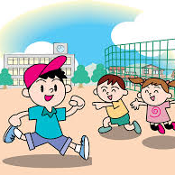
spielen
Definitionen
| Englisch > Deutsch | |
| play | |
| 1. Verb: | |
| 2. [1] spielen | |
| [1] Lets play a game. | |
| Lass uns ein Spiel spielen. | |
| 3. Substantiv: | |
| 4. [1] das Spiel | |
| 5. [2] Theater: Schauspiel, Aufführung | |
| [1] Hamlet is a very bloody play. | |
| Hamlet ist ein sehr blutiges Schauspiel. | |
| Englisch > Englisch | |
| play | |
| 1. v. (intransitive) To act in a manner such that one has fun; to engage in activities expressly for the purpose of recreation or entertainment. |  |
| They played long and hard. | |
| 2. v. To perform in (a sport); to participate in (a game). | |
| He plays on three teams. Who's playing now? play football; play sports; play games | |
| 3. v. To compete against, in a game. | |
| 4. v. (in the scoring of games and sports) To be the opposing score to. | |
| Look at the score now ... 23 plays 8! | |
| 5. v. (intransitive) To take part in amorous activity; to make love, fornicate; to have sex. | |
| 6. v. To act as the indicated role, especially in a performance. | |
| He plays the King, and she's the Queen. No part of the brain plays the role of permanent memory. | |
| 7. v. (heading, transitive, intransitive) To produce music or theatre. | |
| 8. v. (intransitive, of a musical instrument) To produce music. | |
| 9. v. (intransitive, especially, of a person) To produce music using a musical instrument. | |
| I've practiced the piano off and on, but I still can't play very well. | |
| 10. v. (transitive, especially, of a person) To produce music (or a specified song or musical style) using (a specified musical instrument). | |
| I'll play the piano and you sing. Can you play an instrument? We especially like to play jazz together. Play a song for me.&ems | |
| 11. v. (transitive, ergative) To use a device to watch or listen to the indicated recording. | |
| You can play the DVD now. | |
| 12. v. (intransitive, of a theatrical performance) To be performed; (or of a, film) to be shown. | |
| His latest film is playing in the local theatre tomorrow. | |
| 13. v. (transitive, of a theatrical company, or band, etc.) To perform in or at; to give performances in or at. | |
| 14. v. To act or perform (a play). | |
| to play a comedy | |
| 15. v. To behave in a particular way.: | |
| 16. v. (copulative) Contrary to fact, to give an appearance of being. | |
| 17. v. (intransitive) To act with levity or thoughtlessness; to trifle; to be careless. | |
| 18. v. (intransitive) To act; to behave; to practice deception. | |
| 19. v. To bring into sportive or wanton action; to exhibit in action; to execute. | |
| to play tricks | |
| 20. v. (intransitive) To move in any manner; especially, to move regularly with alternate or reciprocating motion; to operate. | |
| The fountain plays. | |
| 21. v. (intransitive) To move gaily; to disport. | |
| 22. v. To put in action or motion. | |
| to play cannon upon a fortification; to play a trump in a card game | |
| 23. v. To keep in play, as a hooked fish, in order to land it. | |
| 24. v. (transitive, colloquial) To manipulate, deceive, or swindle someone. | |
| You played me! | |
| 25. subst. (formerly ) Activity for amusement only, especially among the young. | |
| 26. subst. Similar activity, in young animals, as they explore their environment and learn new skills. | |
| 27. subst. (ethology) "Repeated, incompletely functional behavior differing from more serious versions ..., and initiated voluntarily when ... in a low-stress setting.". | |
| 28. subst. The conduct, or course of a game. | |
| 29. subst. An individual's performance in a sport or game. | |
| 30. subst. (turn-based games) An action carried out when it is one's turn to play. | |
| 31. subst. A literary composition, intended to be represented by actors impersonating the characters and speaking the dialogue. | |
| 32. subst. A theatrical performance featuring actors. | |
| We saw a two-act play in the theatre. | |
| 33. subst. A major move by a business. | |
| 34. subst. A geological formation that contains an accumulation or prospect of hydrocarbons or other resources. | |
| 35. subst. The extent to which a part of a mechanism can move freely. | |
| No wonder the fanbelt is slipping: there’s too much play in it. | |
| Too much play in a steering wheel may be dangerous. | |
| 36. subst. (informal) Sexual activity or sexual role-playing. | |
| 37. subst. (archaic, now usually in compounds) Activity relating to martial combat or fighting. | |
| handplay, swordplay | |
| Deutsch > Englisch | |
| spielen | |
| 1. v. to play (engage in some activity for fun or entertainment) | |
| Die Kinder spielen draußen. - The children are playing outside. | |
| Die Katze spielt mit einer Schnur. - The cat is playing with a string. | |
| 2. v. to play, to engage in (a game, a sport, etc.) | |
| Karten spielen - to play cards | |
| 3. v. to play, to perform (a piece of music, a role in theater or a movie) | |
| 4. v. to play, to listen to (a radio, a recording, etc.) | |
| 5. v. to play, to perform on (a musical instrument) | |
| 6. v. to act like, to behave like | |
| den Narren spielen - to play the fool | |
| 7. v. to take place , to be set (in a particular time or place; of fiction) | |
| Das Spiel spielt in einer postapokalyptischen Zukunft. - The game is set in a post-apocalyptic future. | |
Aussprache
 ©
©Beispielsätze
| He proposed that we should play baseball. Er schlug vor, dass wir Baseball spielen. Which game shall we play next? Welches Spiel sollen wir als nächstes spielen? I play tennis once in a while. Ich spiele von Zeit zu Zeit Tennis. I am reading a play. Ich lese ein Stück. I'll play along. Ich werde kooperieren. |
Die vorherigen Wörter ansehen
| mother-in-law | escalator | vitamin | wall |
| fruit | chicken | pliers | stretch |
| cold | weather | maggot | Chinese |
| notebook | dozen | root | toothbrush |
Zufällig
| Spiele und Übungen |
| Wort des Tages |
| Multiple Choice |
| Lernkarten |
| Bingo |
| Verstecktes Bild |
| Galgenmännchen |
| Wortsuchspiel |
| Memory |
| Kreuzworträtsel |
Holen Sie sich unser Kreuzworträtselbuch für Anfänger

| Das Wort des Tages abonnieren |
| E-Mail: |