
Palabra Inglés del Día
noise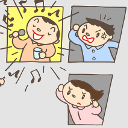
ruido
Definiciones
| inglés > español | |
| noise | |
| 1. s. Ruido. | |
| 2. Hacer ruido. | |
| 3. Difundir un rumor. | |
| inglés > inglés | |
| noise | |
| 1. s. Various sounds, usually unwanted or unpleasant. |  |
| He knew that it was trash day, when the garbage collectors made all the noise. | |
| 2. s. Sound or signal generated by random fluctuations. | |
| 3. s. (technology) Unwanted part of a signal. (Signal to noise ratio) | |
| 4. s. (genetics) The measured level of variation in gene expression among cells, regardless of source, within a supposedly identical population. | |
| 5. s. Rumour or complaint. | |
| The problems with the new computer system are causing a lot of noise at Head Office. | |
| 6. s. (obsolete) Music, in general; a concert; also, a company of musicians; a band. | |
| 7. s. (music) A genre of rock music that uses static and other non-musical sounds, also influenced by art rock. | |
| 8. v. (intransitive) To make a noise; to sound. | |
| 9. v. To spread news of; to spread as rumor or gossip. | |
| español > inglés | |
| ruido | |
| 1. n-m. noise, racket, rattle, clatter, sound (various sounds, usually unwanted) | |
| No puedo dormir. Los vecinos están haciendo demasiado ruido. - I can't sleep. The neighbors are making too much noise. | |
| ¡No hagas ruido! - Don't make a sound! | |
| 2. n-m. noise (unwanted part of a signal) | |
| También puede utilizar el efecto de reducción de ruido. - You may also use the noise reduction effect. | |
| 3. n-m. uproar, talk, fuss | |
Pronunciación
 ©
©Ejemplos
| We can't sleep because of the noise. No podemos dormir a causa del ruido. He heard a noise from the kitchen. Él oyó un ruido en la cocina. My father complained about the traffic noise. Mi padre se quejaba del ruido del tráfico. People who make no noise are dangerous. Los que no hacen ruido son peligrosos. Can you hear the noise of the waves on the beach? ¿Puedes oir el sonido de las olas en la playa? |
Revise Palabras Anterior
Aleatorio
| stream | yawn | bookcase | peeler |
| helmet | sign | manure | smoke |
| forty-one | sixty-one | fruit | cart |
| exhaust pipe | south | dress | grip |
| Aprender |
| Palabra del Día |
| Opción múltiple |
| Flashcards |
| Bingo |
| Imagen Oculta |
| Juego del Ahorcado |
| Sopa de Letras |
| Memory |
| Crucigrama |
| Suscribirse a la Palabra del Día |
| Email: |