
Palabra Inglés del Día
taste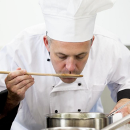
saborear
Definiciones
| inglés > español | |
| taste | |
| 1. vt. Notar, percibir. | |
| 2. vt. Probar, degustar. | |
| 3. vt. Saborear. | |
| 4. vt. Experimentar. | |
| 5. vi. Tener el sabor de, o saber a. | |
| 6. s. Gusto. | |
| 7. s. Sabor. | |
| 8. s. Prueba, degustación. | |
| 9. s. Gusto por. | |
| inglés > inglés | |
| taste | |
| 1. s. One of the sensations produced by the tongue in response to certain chemicals. |  |
| 2. s. A person's implicit set of preferences, especially esthetic, though also culinary, sartorial, etc. | |
| Dr. Parker has good taste in wine. | |
| 3. s. Personal preference; liking; predilection. | |
| I have developed a taste for fine wine. | |
| 4. s. (figuratively) A small amount of experience with something that gives a sense of its quality as a whole. | |
| 5. s. A kind of narrow and thin silk ribbon. | |
| 6. v. To sample the flavor of something orally. | |
| 7. v. (intransitive) To have a taste; to excite a particular sensation by which flavour is distinguished. | |
| The chicken tasted great, but the milk tasted like garlic. | |
| 8. v. To experience. | |
| I tasted in her arms the delights of paradise. | |
| They had not yet tasted the sweetness of freedom. | |
| 9. v. To take sparingly. | |
| 10. v. To try by eating a little; to eat a small quantity of. | |
| 11. v. (obsolete) To try by the touch; to handle. | |
| español > inglés | |
| saborear | |
| 1. v. to taste; to savour, savor | |
| 2. v. to relish | |
Pronunciación

Ejemplos
| Medicines must have a bitter taste, or else they won't help. La medicina tiene que tener un sabor amargo, si no, no ayuda. This beer's taste is unique. El sabor de esta cerveza es único. The misery of others leaves a weird taste. La miseria ajena deja un extraño sabor. I think it'll taste better if you add a little salt and pepper. Creo que sabrá mejor si le añades un poco de sal y pimienta. Perhaps the robin's got a taste for the finer things in life and has become extravagant. Tal vez el petirrojo tenga un gusto por las cosas más finas de la vida y se ha vuelto extravagante. |
Revise Palabras Anterior
Aleatorio
| India | ship | mountain | ice |
| waist | light blue | laugh | string |
| hour | tape measure | lavender | pine |
| fifty-one | cry | nest | shower curtain |
| Aprender |
| Palabra del Día |
| Opción múltiple |
| Flashcards |
| Bingo |
| Imagen Oculta |
| Juego del Ahorcado |
| Sopa de Letras |
| Memory |
| Crucigrama |
| Suscribirse a la Palabra del Día |
| Email: |