
Palabra Inglés del Día
fruit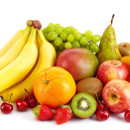
fruta
Definiciones
| inglés > español | |
| fruit | |
| 1. s. fruta | |
| 2. s. : I like to eat 'fruit' like apples = Me gusta comer la fruta tal como manzanas | |
| inglés > inglés | |
| fruit | |
| 1. s. (botany) The seed-bearing part of a plant, often edible, colourful and fragrant, produced from a floral ovary after fertilization. |  |
| While cucumber is technically a fruit, one would not usually use it to make jam. | |
| 2. s. Any sweet, edible part of a plant that resembles seed-bearing fruit, even if it does not develop from a floral ovary; also used in a technically imprecise sense for some sweet or sweetish vegetables | |
| Fruit salad is a simple way of making fruits into a dessert. | |
| 3. s. An end result, effect, or consequence; advantageous or disadvantageous result. | |
| His long nights in the office eventually bore fruit when his business boomed and he was given a raise. | |
| 4. s. Offspring from a sexual union. | |
| Blessed art thou amongst women and blessed is the fruit of thy womb. | |
| The litter was the fruit of the union between our whippet and their terrier. | |
| 5. s. (dated, colloquial, derogatory) A homosexual or effeminate man. | |
| 6. s. (as a modifier) Of, pertaining to, or having fruit; (of living things) producing or consuming fruit. | |
| 7. v. To produce fruit, seeds, or spores. | |
| español > inglés | |
| fruta | |
| 1. n-f. fruit (the seed-bearing part of a plant) | |
| 2. n-f. fruit (any sweet, edible part of a plant) | |
| 3. n-f. fruit (an end result, effect, or consequence) | |
Pronunciación

Ejemplos
| Here's a basket full of fruit. Aquí hay una canasta llena de fruta. Would you like some fruit? ¿Le apetecería comer un poco de fruta? Your effort will surely bear fruit. Seguro que tus esfuerzos darán su fruto. Fresh fruit is good for your health. La fruta fresca es buena para la salud. Children like fruit juice. A los niños les gusta el jugo de fruta. |
Revise Palabras Anterior
Aleatorio
| Aprender |
| Palabra del Día |
| Opción múltiple |
| Flashcards |
| Bingo |
| Imagen Oculta |
| Juego del Ahorcado |
| Sopa de Letras |
| Memory |
| Crucigrama |
| Suscribirse a la Palabra del Día |
| Email: |