
Palabra Inglés del Día
time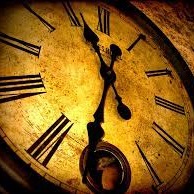
tiempo
Definiciones
| inglés > español | |
| time | |
| 1. s. Tiempo. | |
| 2. s. Hora. | |
| 3. s. Momento. | |
| 4. s. Vez. | |
| 5. s. Época, período. | |
| 6. Cronometrar. | |
| 7. Seleccionar el momento de. | |
| inglés > inglés | |
| time | |
| 1. s. The inevitable progression into the future with the passing of present events into the past. |  |
| Time stops for nobody. the ebb and flow of time | |
| 2. s. (physics, usually) A dimension of spacetime with the opposite metric signature to space dimensions; the fourth dimension. | |
| Both science-fiction writers and physicists have written about travel through time. | |
| 3. s. (physics) Change associated with the second law of thermodynamics; the physical and psychological result of increasing entropy. | |
| Time slows down when you approach the speed of light. | |
| 4. s. (physics, reductionistic definition) The property of a system which allows it to have more than one distinct configuration. | |
| An essential definition of time should entail neither speed nor direction, just change. | |
| 5. s. A duration of time. | |
| 6. s. A quantity of availability of duration. | |
| More time is needed to complete the project. You had plenty of time, but you waited until the last minute. Are you finish | |
| 7. s. A measurement of a quantity of time; a numerical or general indication of a length of progression. | |
| a long time; Record the individual times for the processes in each batch. Only your best time is compared with the other compet | |
| 8. s. (slang) The serving of a prison sentence. | |
| The judge leniently granted a sentence with no hard time. He is not living at home because he is doing time. | |
| 9. s. An experience. | |
| We had a wonderful time at the party. | |
| 10. s. An era; (with the, sometimes in plural) the current era, the current state of affairs. | |
| Roman times; the time of the dinosaurs | |
| 11. s. (with possessive) A person's youth or young adulthood, as opposed to the present day. | |
| In my time, we respected our elders. | |
| 12. s. (only in singular, sports) Time out; temporary, limited suspension of play. | |
| 13. s. An instant of time. | |
| 14. s. How much of a day has passed; the moment, as indicated by a clock or similar device. | |
| Excuse me, have you got the time? What time is it, do you guess? Ten o’clock? A computer keeps time using a clock battery | |
| 15. s. A particular moment or hour; the appropriate moment or hour for something (especially with prepositional phrase or imperfect subjunctive). | |
| it’s time for bed; it’s time to sleep; we must wait for the right time; it's time we were going | |
| 16. s. A numerical indication of a particular moment. | |
| at what times do the trains arrive?; these times were erroneously converted between zones | |
| 17. s. An instance or occurrence. | |
| When was the last time we went out? I don’t remember. | |
| see you another time; that’s three times he’s made the same mistake | |
| Okay, but this is the last time. No more after that! | |
| 18. s. (of pubs) Closing time. | |
| Last call: it's almost time. | |
| 19. s. The hour of childbirth. | |
| 20. s. (as someone's time) The end of someone's life, conceived by the speaker as having been predestined. | |
| It was his time. | |
| 21. s. The measurement under some system of region of day or moment. | |
| Let's synchronize our watches so we're not on different time. | |
| 22. s. Ratio of comparison. | |
| your car runs three times faster than mine; that is four times as heavy as this | |
| 23. s. (grammar, dated) Tense. | |
| the time of a verb | |
| 24. s. (music) The measured duration of sounds; measure; tempo; rate of movement; rhythmical division. | |
| common or triple time; the musician keeps good time. | |
| 25. v. To measure or record the time, duration, or rate of. | |
| I used a stopwatch to time myself running around the block. | |
| 26. v. To choose when something begins or how long it lasts. | |
| The President timed his speech badly, coinciding with the Super Bowl. | |
| The bomb was timed to explode at 9:20 p.m. | |
| 27. v. (obsolete) To keep or beat time; to proceed or move in time. | |
| 28. v. (obsolete) To pass time; to delay. | |
| 29. v. To regulate as to time; to accompany, or agree with, in time of movement. | |
| 30. v. To measure, as in music or harmony. | |
| 31. interj. (tennis) Reminder by the umpire for the players to continue playing after their pause. | |
| español > inglés | |
| tiempo | |
| 1. n-m. (also, physics) time | |
| No tengo tiempo. - I don't have time. / I haven't got time. | |
| 2. n-m. a while, period of time, long time, length of time, indeterminate amount of time | |
| ¿Cuánto tiempo hace que vives aquí? - How long have you been living here? | |
| Amiga, ha pasado demasiado tiempo. - Too much time has passed. | |
| Hace tiempo que yo no tomaba un buen trago. - It's been a while since I've had a good drink. | |
| 3. n-m. tense | |
| El verbo camina está en tiempo presente. - The verb camina is in the present tense. | |
| 4. n-m. weather | |
| ¿Qué tiempo hace? - What is the weather like? / How is the weather? | |
| Hace buen tiempo. - The weather is fine. | |
Pronunciación
 ©
©Ejemplos
| I've been looking for a new job for a long time. He estado buscando un nuevo trabajo por un largo tiempo. I don't have time for reading. No tengo tiempo para leer. By the time you get out of prison, she'll have been married. Para cuando salgas de la cárcel ella ya estará casada. Once upon a time there was a piece of wood. Había una vez un trozo de madera. You can buy and read any kind of book at any time. Puedes comprar y leer cualquier tipo de libro cuando sea. |
Revise Palabras Anterior
Aleatorio
| climb | puppy | disinfectant | living room |
| builder | chick | choir | sled |
| tornado | black | stepladder | cable car |
| week | shopping cart | sausage | eyelash |
| Aprender |
| Palabra del Día |
| Opción múltiple |
| Flashcards |
| Bingo |
| Imagen Oculta |
| Juego del Ahorcado |
| Sopa de Letras |
| Memory |
| Crucigrama |
| Suscribirse a la Palabra del Día |
| Email: |