
Palabra Inglés del Día
storm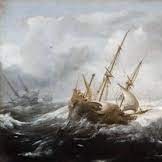
tormenta
Definiciones
| inglés > español | |
| storm | |
| 1. s. Tormenta. | |
| 2. s. Vendaval. | |
| 3. s. Tempestad. | |
| 4. Irrumpir. | |
| 5. Despotricar. | |
| inglés > inglés | |
| storm | |
| 1. s. Any disturbed state of the atmosphere, especially as affecting the earth's surface, and strongly implying destructive or unpleasant weather. |  |
| 2. s. A violent agitation of human society; a civil, political, or domestic commotion; violent outbreak. | |
| The proposed reforms have led to a political storm. | |
| 3. s. (meteorology) a wind scale for very strong wind, stronger than a gale, less than a hurricane (10 or higher on the Beaufort scale). | |
| 4. s. (military) A violent assault on a stronghold or fortified position. | |
| 5. v. (intransitive, with adverbial of direction) To move quickly and noisily like a storm, usually in a state of uproar or anger. | |
| She stormed out of the room. | |
| 6. v. (intransitive) To rage or fume; to be in a violent temper. | |
| 7. v. To assault (a stronghold or fortification) with military forces. | |
| Troops stormed the complex. | |
| 8. v. (impersonal) To have the weather be violent, with strong winds and usually rain, thunder, lightning, or snow. | |
| It stormed throughout the night. | |
| español > inglés | |
| tormenta | |
| 1. n-f. storm, thunderstorm, lightning storm | |
Pronunciación

Ejemplos
| They arrived late because of the storm. Ellos llegaron tarde a causa de la tormenta. The town was destroyed by the flood after the storm. El pueblo fue destruido por la inundación que vino después de la tormenta. All the skill of the sailors fell before the violence of the storm. Toda la habilidad de los marineros sucumbió ante la violencia de la tormenta. After the storm, the sea was calm. Tras la tormenta, el mar estaba en calma. But for the storm, I would have arrived earlier. Si no hubiera sido por la tormenta, habría llegado antes. |
Revise Palabras Anterior
Aleatorio
| swimsuit | laundry | iron | year |
| drill | scales | cotton ball | strawberry |
| accountant | chimney | goat | lawnmower |
| bee | pregnant | computer | cast |
| Aprender |
| Palabra del Día |
| Opción múltiple |
| Flashcards |
| Bingo |
| Imagen Oculta |
| Juego del Ahorcado |
| Sopa de Letras |
| Memory |
| Crucigrama |
| Suscribirse a la Palabra del Día |
| Email: |