
Palabra Inglés del Día
old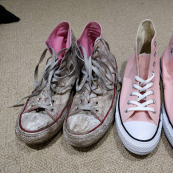
viejo
Definiciones
| inglés > español | |
| old | |
| 1. adj. Viejo, anciano | |
| Nota de uso: Cuando se dice de una persona. | |
| My grandfather is very old. | |
| Mi abuelo es muy viejo. | |
| 2. adj. Antiguo, viejo | |
| Nota de uso: Cuando se dice de una cosa. | |
| The buildings at my school are very old. | |
| Los edificios en mi colegio son muy antiguos. | |
| 3. adj. Sin traducción directa. Cuando se utiliza con una expresión de tiempo, quiere decir que algo ha existido o vivido durante el período especificado. | |
| She's five years old. | |
| Ella tiene cinco años (de edad). | |
| This structure is 400 years old. | |
| Esta estructura tiene 400 años (de antigüedad). | |
| inglés > inglés | |
| old | |
| 1. adj. Of an object, concept, relationship, etc., having existed for a relatively long period of time. |  |
| an old abandoned building; an old friend | |
| 2. adj. Of a living being, having lived for most of the expected years. | |
| a wrinkled old man | |
| 3. adj. Of a perishable item, having existed for most, or more than its shelf life. | |
| an old loaf of bread | |
| 4. adj. Of an item that has been used and so is not new (unused). | |
| I find that an old toothbrush is good to clean the keyboard with. | |
| 5. adj. Having existed or lived for the specified time. | |
| How old are they? She’s five years old and he's seven. We also have a young teen and a two-year-old child. | |
| My great-grandfather lived to be a hundred and one years old. | |
| 6. adj. Of an earlier time.: | |
| 7. adj. Former, previous. | |
| My new car is not as good as my old one. a school reunion for Old Etonians | |
| 8. adj. That is no longer in existence. | |
| The footpath follows the route of an old railway line. | |
| 9. adj. Obsolete; out-of-date. | |
| That is the old way of doing things; now we do it this way. | |
| 10. adj. Familiar. | |
| When he got drunk and quarrelsome they just gave him the old heave-ho. | |
| 11. adj. Tiresome. | |
| Your constant pestering is getting old. | |
| 12. adj. Said of subdued colors, particularly reds, pinks and oranges, as if they had faded over time. | |
| 13. adj. A grammatical intensifier, often used in describing something positive. (Mostly in idioms like good old, big old and little old, any old and some old.) | |
| We're having a good old time. My next car will be a big old SUV. My wife makes the best little old apple pie in Texas. | |
| 14. adj. (obsolete) Excessive, abundant. | |
| 15. s. (with "the") People who are old; old beings; the older generation, taken as a group. | |
| A civilised society should always look after the old in the community. | |
| español > inglés | |
| viejo | |
| 1. adj. old (having existed for a long time) | |
| 2. adj. old (having lived for many years) | |
| Mi abuelo es viejo. - My grandfather is old. | |
| 3. adj. (before the noun) old (former, previous) | |
| 4. adj. stale (no longer novel or interesting) | |
| 5. n-m. an old person | |
| 6. n-m. (slang) old man (one's father) | |
| 7. n-m. (Mexico) a certain guy or man, especially adult or almost | |
| Me gusta el viejo de bigote. - I like the guy with moustache. | |
| Los tacos más ricos son los del viejo de camisa negra. - The most delicious tacos are those sold by the guy with black shirt. | |
| No quiero viejos groseros en mi fiesta. - I do not want impolite, discourteous men in my party. | |
| 8. n-m. (Mexico) sweetheart, honey (substitute for a male name) | |
| Ya regresé, viejo. - I'm back, dear. | |
| 9. n-m. (Mexico) a male sexual companion or partner, occasional or stable; husband | |
Pronunciación
 ©
©Ejemplos
| How old are your children? ¿Qué edades tienen sus hijos? He died of old age two years ago. Él murió de edad hace dos años atrás. There lived an old couple in the woods. En el bosque vivía una vieja pareja. This is no place for a three-year-old kid. Este no es lugar para un niño de tres años. The poor old woman had her bag stolen again. A la pobre anciana le han vuelto a robar la bolsa. |
Revise Palabras Anterior
Aleatorio
| ground | washbasin | chopsticks | south |
| bread | hovercraft | icecream | warn |
| pliers | Morocco | goose | basement |
| sharp | August | minute | family |
| Aprender |
| Palabra del Día |
| Opción múltiple |
| Flashcards |
| Bingo |
| Imagen Oculta |
| Juego del Ahorcado |
| Sopa de Letras |
| Memory |
| Crucigrama |
| Suscribirse a la Palabra del Día |
| Email: |