
Palabra Inglés del Día
meat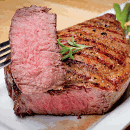
carne
Definiciones
| inglés > español | |
| meat | |
| 1. s. Carne | |
| inglés > inglés | |
| meat | |
| 1. s. The flesh (muscle tissue) of an animal used as food. |  |
| A large portion of domestic meat production comes from animals raised on factory farms. | |
| The homesteading teenager shot a deer to supply his family with wild meat for the winter. | |
| 2. s. A type of meat, by anatomic position and provenance. | |
| The butchery's profit rate on various meats varies greatly. | |
| 3. s. (now archaic, dialectal) Food, for animals or humans, especially solid food. See also meat and drink. | |
| 4. s. (now rare) A type of food, a dish. | |
| 5. s. (now archaic) A meal. | |
| 6. s. Any relatively thick, solid part of a fruit, nut etc. | |
| The apple looked fine on the outside, but the meat was not very firm. | |
| 7. s. (slang) A penis. | |
| 8. s. (colloquial) The best or most substantial part of something. | |
| We recruited him right from the meat of our competitor. | |
| 9. s. (sports) The sweet spot of a bat or club (in cricket, golf, baseball etc.). | |
| He hit it right on the meat of the bat. | |
| 10. s. A meathead. | |
| Throw it in here, meat. | |
| 11. s. (Australian Aboriginal) A totem, or (by metonymy) a clan or clansman which uses it. | |
| español > inglés | |
| carne | |
| 1. n-f. flesh, the soft part of a body which covers the bones | |
| 2. n-f. an animal’s meat, or by extension the edible “fleshy” or soft part of a fruit or vegetable | |
Pronunciación

Ejemplos
| Which do you like better, meat or fish? ¿Qué te gusta más, la carne o el pescado? I never feed my dog raw meat. Nunca le doy de comer carne cruda a mi perro. This is the first time I've ever grilled meat in my home. Es la primera vez que aso carne a la parrilla en mi casa. I'd rather not eat the meat from an animal that was cloned. Yo preferiría no comerme la carne de un animal que ha sido clonado. In due course, eating meat will be considered as horrible as eating human flesh. A su debido tiempo, comer carne será considerado tan horrible como comer carne humana. |
Revise Palabras Anterior
Aleatorio
| sultana | dinner | turn | sleeve |
| ingot | bedroom | car park | thirty-eight |
| nod | meeting | hunter | gift |
| yesterday | patient | wheat | January |
| Aprender |
| Palabra del Día |
| Opción múltiple |
| Flashcards |
| Bingo |
| Imagen Oculta |
| Juego del Ahorcado |
| Sopa de Letras |
| Memory |
| Crucigrama |
| Suscribirse a la Palabra del Día |
| Email: |