| inglés > español | |
|
| carriage | |
| 1. s. Carro | |
| 2. s. Vagón | |
| 3. s. Carruaje | |
| 4. s. Carriola | |
| inglés > inglés | |
|
| carriage | |
| 1. s. The act of conveying; carrying. |  |
| 2. s. Means of conveyance. | |
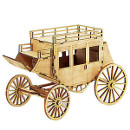
| 3. s. A wheeled vehicle, generally drawn by horse power. | |
| The carriage ride was very romantic. | |
| 4. s. (British) A rail car, especially one designed for the conveyance of passengers. | |
| 5. s. (now rare) A manner of walking and moving in general; how one carries oneself, bearing, gait. | |
| 6. s. (archaic) One's behaviour, or way of conducting oneself towards others. | |
| 7. s. The part of a typewriter supporting the paper. | |
| 8. s. (US, New England) A shopping cart. | |
| 9. s. (British) A stroller; a baby carriage. | |
| 10. s. The charge made for conveying (especially in the phrases carriage forward, when the charge is to be paid by the receiver, and carriage paid). | |
| 11. s. (archaic) That which is carried, baggage | |
| español > inglés | |
|
| carruaje | |
| 1. n-m. carriage | |