

Englisches Wort des Tages
flower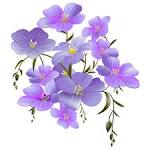
Blume
Definitionen
| Englisch > Deutsch | |
| flower | |
| 1. Substantiv: | |
| 2. [1] Blume | |
| 3. [2] die Blüte | |
| 4. [3a] ein Zustand von besonderer Aktivität | |
| 5. [3b] eine Zeit/ ein Zeitraum von besonderer Aktivität | |
| 6. [4] Individuen, deren besondere Qualitäten aus der Masse herausragen | |
| [1] The flowers are gone. | |
| Die Blumen gibt es nicht mehr. | |
| [2] "It has small white flowers, can reach as much as two feet in height, and forms dense clumps." | |
| Englisch > Englisch | |
| flower | |
| 1. subst. A colorful, conspicuous structure associated with angiosperms, frequently scented and attracting various insects, and which may or may not be used for sexual reproduction. |  |
| 2. subst. (botany) A reproductive structure in angiosperms (flowering plants), often conspicuously colourful and typically including sepals, petals, and either or both stamens and/or a pistil. | |
| 3. subst. A plant that bears flowers, especially a plant that is small and lacks wood. | |
| We transplanted the flowers to a larger pot. | |
| 4. subst. (usually with in) Of plants, a state of bearing blooms. | |
| The dogwoods are in flower this week. | |
| 5. subst. (euphemistic, hypocoristic) The vulva, especially the labia majora. | |
| 6. subst. The best examples or representatives of a group. | |
| We selected the flower of the applicants. | |
| 7. subst. The best state of things; the prime. | |
| She was in the flower of her life. | |
| 8. subst. (obsolete) Flour. | |
| 9. subst. (in the chemistry, obsolete) A substance in the form of a powder, especially when condensed from sublimation. | |
| the flowers of sulphur | |
| 10. subst. A figure of speech; an ornament of style. | |
| 11. subst. (printing) Ornamental type used chiefly for borders around pages, cards, etc. | |
| 12. subst. (in the plural) Menstrual discharges. | |
| 13. v. (lbl, en, intransitive) To put forth blooms. | |
| This plant flowers in June. | |
| 14. v. (lbl, en, transitive) To decorate with pictures of flowers. | |
| 15. v. (lbl, en, intransitive) To reach a state of full development or achievement. | |
| 16. v. (lbl, en, intransitive) To froth; to ferment gently, as new beer. | |
| 17. v. (lbl, en, intransitive) To come off as flowers by sublimation. | |
| 18. subst. (rare) Something that flows, such as a river. | |
| Deutsch > Englisch | |
| Blume | |
| 1. n-f. (botany) flower, blossom (colorful, conspicuous reproductive structure(s) of an angiosperm) | |
| Insekten helfen Blumen bei der Reproduktion. - Insects help flowers reproduce. | |
| Die breite Varietät an Blumensorten faszinierte die Menschen schon lange - The wide range of different kinds of flowers has fascinated man for ages. | |
| 2. n-f. (loosely colloquial usually in the plural) plant, houseplant (plant that is grown indoors in places such as a house or office for decorative purposes) | |
| 3. n-f. (chemistry) efflorescence (formation of a powdery surface on crystals) | |
| 4. n-f. (heraldry) flower (symbol representing a flower) | |
| Blumen sind häufig ein Bestandteil von Symbolen auf Flaggen und Wappen - Flowers are often a building block of symbols on flags. | |
| Die Blume, welche England symbolisiert, ist die rote Rose - The flower which symbolizes England is the red rose. | |
| 5. n-f. (hunting) tail, scut (short, erect tail of a hare) | |
| 6. n-f. nose, bouquet (scent of a particular wine) | |
| 7. n-f. , passage=Sehr zu unterscheiden ist die eigentliche Blume des Weins von mancher Trauben-Art, von dem sogenannten Bodengefährt, oder dem besondern anfänglich in der Regel unangenehmen Beigeschmack, wel | |
| 8. n-f. head (foam that forms on top of beer) | |
Aussprache
 ©
©Beispielsätze
| There is a flower on the table. Da steht eine Blume auf dem Tisch. I'm looking at that flower. Ich sehe mir die Blume da an. The young girl gave the guest a little flower. Das junge Mädchen gab dem Gast ein Blümchen. For all flesh is as grass, and all the glory of man as the flower of grass. Denn alles Fleisch ist wie Gras und alle Herrlichkeit des Menschen wie des Grases Blumen. Is there a flower shop in the hotel? Gibt es in dem Hotel einen Blumenladen? |
Die vorherigen Wörter ansehen
| vitamin | wall | fruit | chicken |
| pliers | stretch | cold | weather |
| maggot | Chinese | notebook | dozen |
| root | toothbrush | breeze | floor |
Zufällig
| old | nappy | chimney | safety belt |
| packaging | seventy-one | sixty-four | ruler |
| armchair | fault | sew | church |
| chicken | forty-three | clay | eat |
| Spiele und Übungen |
| Wort des Tages |
| Multiple Choice |
| Lernkarten |
| Bingo |
| Verstecktes Bild |
| Galgenmännchen |
| Wortsuchspiel |
| Memory |
| Kreuzworträtsel |
Holen Sie sich unser Kreuzworträtselbuch für Anfänger

| Das Wort des Tages abonnieren |
| E-Mail: |