| inglés > español | |
|
| wolf | |
| 1. s. Lobo | |
| 2. (transitivo) devorar, comer vorazmente. | |
| inglés > inglés | |
|
| wolf | |
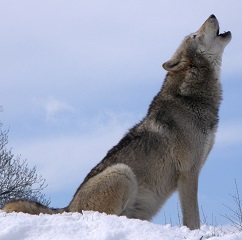
| 1. s. The gray wolf, specifically all subspecies of the gray wolf (Canis lupus) that are not dingoes or dogs. |  |
| 2. s. A man who makes amorous advances to many women. | |
| 3. s. (music) A wolf tone or wolf note. | |
| 4. s. (figurative) Any very ravenous, rapacious, or destructive person or thing; especially, want; starvation. | |
| They toiled hard to keep the wolf from the door. | |
| the bee wolf | |
| 5. s. One of the destructive, and usually hairy, larvae of several species of beetles and grain moths. | |
| 6. s. A white worm, or maggot, which infests granaries. | |
| 7. s. (obsolete) An eating ulcer or sore. See lupus. | |
| 8. s. A willying machine. | |
| 9. v. To devour; to gobble; to eat (something) voraciously. | |
| 10. v. (intransitive, slang) To make amorous advances to many women; to hit on women; to cruise for sex. | |
| 11. v. (intransitive) To hunt for wolves. | |
| español > inglés | |
|
| lobo | |
| 1. n-m. wolf | |
| 2. n-m. (Spain, dated) drunkenness | |

 ©