

Parola del giorno in inglese
take off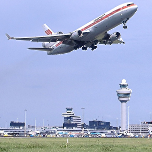
decollare
Definizioni
| inglese > italiano | |
| take off | |
| 1. verb. togliere | |
| 2. verb. decollare | |
| inglese > inglese | |
| take off | |
| 1. v. To remove. |  |
| He took off his shoes. | |
| The test grader takes off a point for every misspelled word. | |
| Tomorrow the doctor will take the cast off her arm. | |
| 2. v. To imitate, often in a satirical manner. | |
| 3. v. (intransitive, of an aircraft or spacecraft) To leave the ground and begin flight; to ascend into the air. | |
| The plane has been cleared to take off from runway 3. | |
| 4. v. (intransitive) To become successful, to flourish. | |
| The business has really taken off this year and has made quite a profit. | |
| 5. v. (intransitive) To depart. | |
| I'm going to take off now. | |
| Take off, loser! | |
| 6. v. To quantify. | |
| I'll take off the concrete and steel for this construction project. | |
| 7. v. To absent oneself from work or other responsibility, especially with permission. | |
| If you take off for Thanksgiving you must work Christmas and vice versa. | |
| He decided to let his mother take a night off from cooking, so he took her and his siblings out to dinner. | |
| 8. v. (intransitive, slang) To take drugs; to inject drugs. | |
| 9. v. (transitive, slang) To steal (something) or rob (someone). | |
| italiano > inglese | |
| decollare | |
| 1. v. (intransitive, of an aircraft or its passengers) to take off | |
Pronuncia
 ©
©Esempi d'uso
| We will take off in a few minutes. Decolleremo tra qualche minuto. We will soon take off. Decolleremo presto. Take off your clothes and lie down on the bed! Togliti i vestiti e sdraiati sul letto! Take off your clothes. Togliti i vestiti. Take off your clothes! Togliti i vestiti! |
Ripassa i vocaboli precedenti
| petrol can | human being | beanie | bubble |
| ewer | leaf | bagpipes | refrigerator |
| forty-seven | thirty-four | crescent | guitar |
| wick | exhaust pipe | spider | tweezers |
Casuale
| Giochi ed esercizi |
| Parola del giorno |
| Scelta multipla |
| Schede didattiche |
| Bingo |
| Immagine nascosta |
| Gioco dell'impiccato |
| Parole intrecciate |
| Memoria |
| Cruciverba |
| Iscriviti alla parola del giorno |
| Email: |